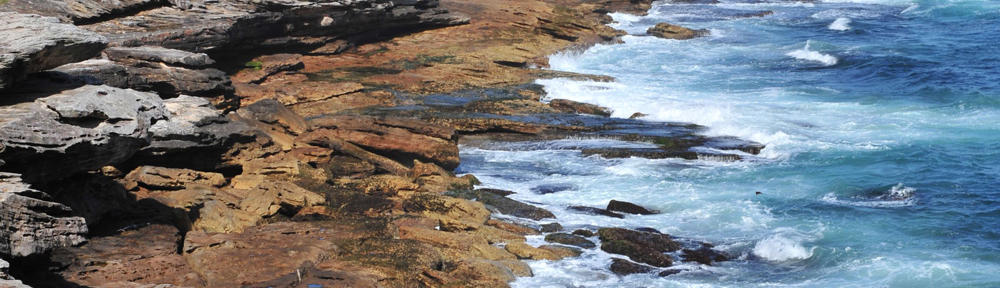
- Dramatic currents unveil a lucky wave and transform your ocean experience
- Understanding Ocean Currents and Wave Formation
- The Role of Swell Direction and Period
- Decoding Coastal Geomorphology
- The Impact of Tides and Wind
- The Influence of Atmospheric Conditions
- The Role of Local Wind Patterns
- Recognizing and Responding to Opportunity
- Beyond the Surf: Applying the Principles
Dramatic currents unveil a lucky wave and transform your ocean experience
The ocean’s allure is timeless, a constant source of wonder and recreation for millions. However, beyond the predictable rhythms of tides and waves lies a realm of subtle energy flows, currents unseen, and moments of sheer serendipity. Experienced surfers and ocean enthusiasts often speak of feeling “in the zone,” a state where everything aligns, and gliding effortlessly across the water feels almost effortless. This experience can often be attributed to encountering a lucky wave, a confluence of favorable conditions that amplifies the joy and skill of the ride.
But the concept of a ‘lucky wave’ extends far beyond surfing. It speaks to the broader potential for heightened experiences in any ocean-related activity – from sailing and kayaking to simply swimming and observing the marine environment. It’s about being receptive to the ocean’s mood, understanding its subtle cues, and recognizing opportunities that arise from dynamic interactions between wind, swell, and local geography. It’s a reminder that the ocean is not merely a physical space, but a living entity with its own unique character and a capacity to offer moments of unexpected grace.
Understanding Ocean Currents and Wave Formation
The formation of waves is a complex process driven by a variety of factors, primarily wind energy transferring to the water’s surface. However, the behavior of those waves, and the opportunities they present, is heavily influenced by underlying ocean currents. These currents act as highways for wave energy, shaping their direction, speed, and even their height and form. Warm currents, like the Gulf Stream, can intensify wave activity, while cold currents can dampen it. Understanding these current patterns is crucial for predicting where and when favorable wave conditions are likely to occur. The interaction between currents and underwater topography, such as reefs and seamounts, can further modulate wave behavior, creating localized zones of enhanced wave energy and potentially delivering that sought-after, exceptional ride. It's these complex interactions that contribute to the elusive nature of a truly 'lucky' encounter.
The Role of Swell Direction and Period
Swell direction refers to the angle at which waves approach the shore, while swell period describes the time between successive wave crests. These two factors are critical determinants of wave quality, impacting everything from the shape of the wave face to the length of the ride. A long swell period (typically 10 seconds or more) generally indicates more powerful, organized waves with greater energy. Waves with a swell direction that aligns favorably with the local coastline geometry – such as a point break or beach break – will typically offer cleaner, more consistent rides. The ability to read these indicators, often through buoy data, weather forecasts, and local knowledge, can dramatically increase your chances of finding a ‘lucky wave’ and maximizing your time in the water. A skilled observer can sense the subtle shifts in swell patterns, anticipating the arrival of something special.
| Swell Period (seconds) | Wave Characteristics | Typical Activities |
|---|---|---|
| Less than 6 | Choppy, disorganized, short-lived waves | Beginner surfing, bodyboarding |
| 6-10 | Moderate waves, good for intermediate surfers | Surfing, paddleboarding |
| 10-15 | Powerful, organized waves, longer rides | Advanced surfing, longboarding |
| 15+ | Large, powerful waves, expert-level conditions | Big wave surfing, professional competitions |
Understanding these relationships between swell characteristics and wave behavior is key to enhancing your ocean experience and recognizing the potential for encountering a genuinely exceptional wave.
Decoding Coastal Geomorphology
The physical shape of the coastline plays a pivotal role in determining how waves break and the types of surfing conditions that develop. Different coastal landforms – such as sandy beaches, rocky points, and reef breaks – create vastly different wave characteristics. Sandy beaches typically produce beach breaks, characterized by waves that break relatively quickly and uniformly along the shoreline. Rocky points, on the other hand, often generate point breaks, which offer longer, more drawn-out rides as waves wrap around the point. Reef breaks, which occur over submerged coral reefs, can produce some of the most powerful and challenging waves in the world. The specific contours of the seabed – the presence of sandbars, channels, and reefs – can significantly influence wave refraction and focusing, creating localized zones of increased wave energy and potentially yielding those highly sought-after, ‘lucky’ waves.
The Impact of Tides and Wind
Tides and wind conditions further complicate the picture. Tides influence the depth of the water over reefs and sandbars, affecting how waves break. Certain tides can "fill in" breaks, making them more manageable, while others can close them out completely. Wind direction and strength also play a crucial role. An offshore wind – blowing from the land towards the sea – can groom the waves, creating cleaner, more defined faces. An onshore wind, conversely, can chop up the waves and make them less predictable. Recognizing the interplay between these dynamic forces – coastline shape, tides, and wind – is essential for identifying spots that are primed for exceptional wave conditions. It’s about learning to read the ocean’s language and anticipating where the magic might happen.
- Beach Breaks: Typically offer shorter, more playful waves, suitable for a variety of skill levels.
- Point Breaks: Generate longer, more drawn-out rides, often favored by intermediate to advanced surfers.
- Reef Breaks: Can produce some of the most powerful and challenging waves, requiring significant experience and skill.
- Sandbar Breaks: Change frequently with shifting sands, offering dynamic and unpredictable conditions.
Coastal geomorphology provides the initial framework, but the real story unfolds with the shifting interplay of tides and wind.
The Influence of Atmospheric Conditions
While ocean currents and coastal geomorphology set the stage, atmospheric conditions provide the impetus for wave generation. Storm systems, particularly those forming over the open ocean, are the primary drivers of swell. The intensity and duration of the storm, as well as its track and distance from the coastline, all influence the size and energy of the swells that reach shore. High-pressure systems can also play a role, creating stable atmospheric conditions that allow swells to travel long distances with minimal energy loss. Monitoring weather patterns – through weather charts, buoy data, and weather apps – is essential for predicting swell arrival times and sizes. However, predicting precisely when and where a ‘lucky wave’ will appear remains an art as much as a science.
The Role of Local Wind Patterns
Local wind patterns, as previously mentioned, exert a significant influence on wave quality. Offshore winds, like the Santa Ana winds in Southern California or the Mistral in France, groom the waves, creating cleaner, steeper faces. These winds also help to hold the waves up, preventing them from spilling prematurely. Onshore winds, on the other hand, create choppy, disorganized conditions. However, even onshore winds can have a positive effect in certain circumstances, such as by creating a "backwash" that can enhance wave formation in specific locations. Understanding the nuances of local wind patterns – including their typical direction, strength, and timing – is crucial for maximizing your chances of finding a ‘lucky wave’ and enjoying a truly exceptional ocean experience.
- Monitor weather patterns for storm activity.
- Check buoy data for swell height, period, and direction.
- Assess local wind conditions.
- Consider tidal influence on wave formation.
- Observe local wave behavior and adjust accordingly.
A combination of careful observation and accurate forecasting can significantly improve your prospects of encountering those unforgettable wave moments.
Recognizing and Responding to Opportunity
Even with a thorough understanding of ocean currents, coastal geomorphology, and atmospheric conditions, encountering a ‘lucky wave’ still requires a degree of intuition and responsiveness. It’s about being present in the moment, attuned to the subtle shifts in wave energy, and ready to capitalize on opportunities as they arise. This involves developing a keen sense of wave reading – the ability to accurately assess wave size, shape, and direction, and to anticipate how the wave will break. It also requires a level of physical preparedness – the strength, stamina, and agility to paddle into and ride the wave effectively. It's not merely about knowledge, but the ability to translate that knowledge into action.
Ultimately, a ‘lucky wave’ is not simply a matter of chance. It is the result of a confluence of factors – scientific understanding, skillful observation, and a willingness to embrace the unpredictable nature of the ocean. It's about respecting the ocean’s power, being mindful of your surroundings, and appreciating the fleeting moments of grace that it offers. The thrill experienced when riding a majestic wave is a testament to the enduring connection between humans and the sea.
Beyond the Surf: Applying the Principles
The principles underlying the pursuit of a 'lucky wave' extend far beyond the realm of surfing. Sailors, for example, seek favorable wind conditions and currents to optimize their passage, often relying on intuition and local knowledge to navigate complex weather systems. Kayakers and paddleboarders look for calm waters, sheltered coves, and favorable tidal flows to enjoy a peaceful and efficient journey. Even those who simply enjoy swimming or observing marine life can benefit from understanding the ocean's rhythms and currents, allowing them to find calmer waters, observe marine creatures more easily, and appreciate the ocean’s beauty in a more profound way. Consider a marine biologist studying whale migration patterns; recognizing subtle changes in currents and upwelling can lead to incredible opportunities for observation and data collection.
This mindset of observation and responsiveness fosters a deeper connection with the ocean, encouraging a greater appreciation for its complexity and power. It’s a reminder that the ocean is a dynamic and ever-changing environment, and that the most rewarding experiences often come from embracing its unpredictability and being open to the possibility of encountering something truly special. This awareness cultivates a sense of respect and responsibility towards marine ecosystems, inspiring a desire to protect and preserve these invaluable resources for future generations.