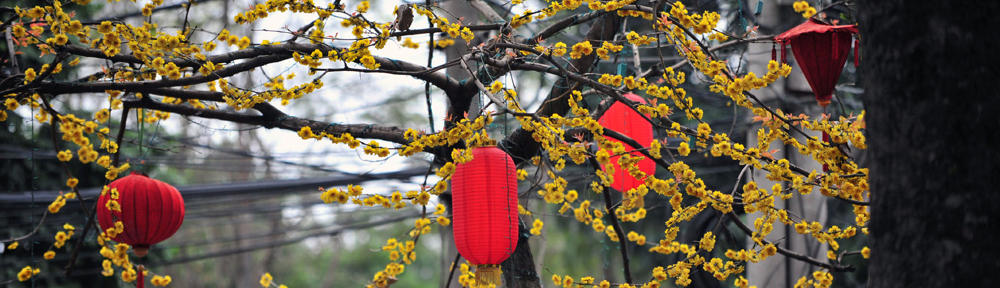
- Nuance unfolds from subtle shades to bold impact with 1 red, exploring its power
- The Psychology of Red: A Deep Dive
- The Impact of Saturation and Tone
- Red in Art and History: From Cave Paintings to Modern Masters
- The Renaissance and Beyond
- Cultural Significance: A Global Perspective
- Red in Ritual and Ceremony
- The Application of Red in Design and Marketing
- The Future of Red: Exploring New Perspectives
Nuance unfolds from subtle shades to bold impact with 1 red, exploring its power
The world is filled with color, and within that spectrum, certain shades hold a particular power. Among these, the singular impact of 1 red is notable. It's a color that draws the eye, evokes strong emotions, and carries a wealth of cultural and symbolic meaning. From the boldness of a fire engine to the subtlety of a blush, red's presence is undeniable and its effect profound. This exploration delves into the multifaceted nature of this vibrant hue, examining its psychological impact, its historical significance, and its pervasive influence on art, design, and beyond.
Red, fundamentally, is a primal color. It’s associated with basic human experiences – blood, fire, and passion. This inherent connection lends it an immediacy and urgency that few other colors can match. The intensity of red can be both alluring and alarming, captivating and commanding. Understanding the complexities of red requires looking beyond its surface appearance and recognizing the layers of meaning that have been accumulated over centuries. Its application, context, and surrounding colors all contribute to a dramatically altered experience for the observer.
The Psychology of Red: A Deep Dive
Red is arguably the most psychologically potent color in the visual spectrum. Research consistently demonstrates that it elicits a physiological response in humans, increasing heart rate and blood pressure. This heightened state of arousal contributes to its association with energy, excitement, and even aggression. But the psychological impact isn’t simply a matter of physiological changes. Red also taps into deeply ingrained cultural and associative learning. For example, a ‘red flag’ universally signals danger or warning, a learned response rooted in survival instincts. The color is often employed in marketing to grab attention, and in some cultures, it is considered lucky or auspicious, representing prosperity and happiness. This duality illustrates the nuanced effect of red; it can signal both opportunity and threat.
The Impact of Saturation and Tone
It's crucial to understand that not all reds are created equal. The specific shade, saturation, and tone significantly influence the emotional response. A bright, highly saturated red is stimulating and energetic, often used to convey a sense of urgency or excitement. A deeper, more muted red, such as burgundy or maroon, feels more sophisticated and grounded, conveying a sense of luxury or tradition. Likewise, the context in which red is used plays a crucial role. A small pop of red against a neutral background will attract attention, while a large expanse of red can be overwhelming and even aggressive. The interplay of these elements determines the overall perceived effect.
| Red Shade | Associated Feelings | Typical Applications |
|---|---|---|
| Bright Scarlet | Energy, Excitement, Passion | Marketing, Emergency Vehicles |
| Deep Crimson | Luxury, Sophistication, Power | High-End Fashion, Interior Design |
| Rusty Red | Warmth, Earthiness, Comfort | Autumnal Decor, Rustic Themes |
| Burgundy | Elegance, Tradition, Importance | Formal Wear, Wine Labels |
The careful selection of a red shade requires a thorough understanding of the desired emotional impact. Effective design utilizes this knowledge to evoke specific responses and create a cohesive visual experience.
Red in Art and History: From Cave Paintings to Modern Masters
The use of red in art dates back to the earliest human expressions. Ochre, a naturally occurring earth pigment containing iron oxide, was one of the first colors used by prehistoric humans in cave paintings, like those found in Lascaux, France. These early artworks demonstrate a fundamental human attraction to this vibrant hue. Throughout history, red has consistently been associated with power, royalty, and religion. In ancient Rome, red was the color of generals and emperors, signifying their authority and status. In the medieval period, red pigments were incredibly expensive, derived from insects or rare minerals, resulting in their exclusive use in religious iconography and the attire of the wealthy elite. The cost and prestige associated with red further cemented its symbolic importance.
The Renaissance and Beyond
The Renaissance saw a renewed interest in classical art and a more sophisticated understanding of color theory. Artists like Titian and Raphael masterfully employed red glazes to create depth and luminosity in their paintings. The use of red became more nuanced, conveying a wider range of emotions and symbolic meanings. In modern art, artists continued to explore the expressive potential of red. Mark Rothko’s color field paintings often feature dominant blocks of red, evoking feelings of intensity and contemplation. Similarly, artists like Henri Matisse embraced the bold simplicity of red, using it to create striking visual contrasts.
- Red was often used to depict the robes of important religious figures in medieval art.
- Roman generals wore red togas as a symbol of their power and authority.
- Ochre, a natural red pigment, was used in prehistoric cave paintings.
- Modern artists like Rothko utilized red to evoke strong emotional responses.
The enduring presence of red throughout art history underscores its timeless appeal and its ability to resonate with audiences across cultures and generations. Its usage constantly evolves with artistic movements and prevailing societal values.
Cultural Significance: A Global Perspective
The symbolism of red varies significantly across cultures. In Chinese culture, red is considered a lucky color, representing prosperity, happiness, and good fortune. It’s prominently displayed during celebrations, such as Chinese New Year, and worn to ward off evil spirits. Red envelopes containing money are traditionally given as gifts. However, in some Western cultures, red can be associated with danger, anger, or debt, signified by being ‘in the red’. In India, red is often associated with purity, fertility, and auspiciousness. Brides traditionally wear red saris during wedding ceremonies, symbolizing a new beginning and prosperity. These diverse interpretations highlight the subjective nature of color symbolism and the importance of understanding cultural context.
Red in Ritual and Ceremony
Beyond everyday associations, red often plays a central role in religious rituals and ceremonial practices. In many cultures, red ochre is used in body painting or ceremonial clothing to symbolize power, protection, or spiritual connection. For example, some Indigenous Australian communities use red ochre in sacred ceremonies, believing it embodies the life force of the land. Within Christianity, red can symbolize the blood of Christ and the sacrifice he made. Similarly, in certain African traditions, red is associated with ancestral spirits and is used in rituals to honor them. The incorporation of red into these practices demonstrates its deep-rooted connection to belief systems and spiritual expression.
- In China, red symbolizes prosperity and good luck.
- In India, red represents purity and is worn by brides.
- Western cultures sometimes associate red with danger or debt.
- Indigenous Australian communities use red ochre in sacred ceremonies.
The meaning of red is not fixed; it is a dynamic and culturally constructed concept that evolves over time. A global perspective acknowledges the rich tapestry of interpretations surrounding this potent hue.
The Application of Red in Design and Marketing
The principles of color psychology are heavily leveraged in design and marketing. Red’s ability to capture attention makes it a common choice for calls to action, such as “Buy Now” or “Sign Up.” However, the strategic use of red requires careful consideration. Overuse can create a sense of aggression or anxiety, while a well-placed pop of red can effectively draw the eye to key elements. In logo design, red can convey energy, passion, and excitement, making it a popular choice for brands aiming to project a dynamic image. Fast food chains, for instance, frequently utilize red in their branding and interior design to stimulate appetite and create a sense of urgency. The color is also commonly used for sale signs and clearance banners, capitalizing on its association with urgency and value.
The success of red in marketing hinges on understanding the target audience and the desired message. A luxury brand targeting a sophisticated demographic might opt for a deeper, more muted shade of red, while a brand aiming to appeal to a younger audience might utilize a brighter, more energetic hue.
The Future of Red: Exploring New Perspectives
As our understanding of color psychology continues to evolve, so too will our appreciation of red’s nuances. New technologies, such as augmented reality and virtual reality, offer exciting possibilities for exploring color in innovative ways. Imagine being able to experience a color not just visually, but also through other senses, such as smell or touch. This immersive approach could revolutionize our understanding of the emotional and physiological impact of red. Furthermore, the growing focus on sustainability and ethical sourcing is prompting a renewed interest in natural dyes derived from plants and insects, offering a more environmentally friendly alternative to synthetic red pigments. This exploration of natural red hues could lead to a revival of traditional techniques and a greater appreciation for the origins of color.
The story of red is far from over. It’s a color that continues to captivate, inspire, and challenge us. Its future lies in further unraveling its complexities and embracing new ways to experience its power and beauty, forever reinforcing that the impact of 1 red, is boundless.