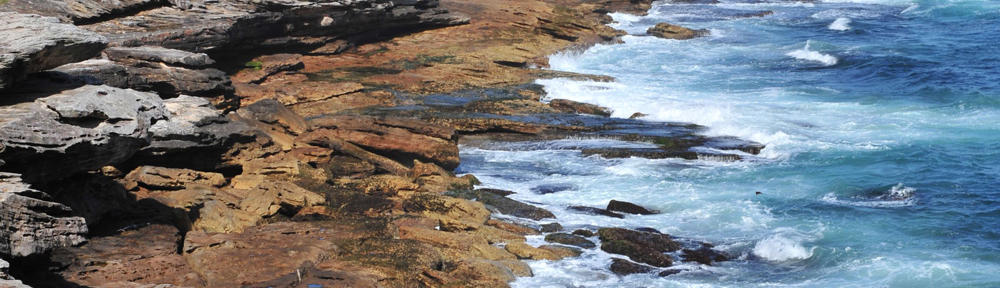
- Wonderful journeys from preparation to enjoyment through bonrush experiences
- The Art of Slow Travel and Immersion
- Building Connections Through Local Experiences
- Cultivating Creative Expression as a Form of Deceleration
- The Therapeutic Benefits of Artistic Pursuits
- The Power of Mindful Movement and Connection with Nature
- Nature as a Sanctuary for the Soul
- Reframing "Productivity" and Embracing Stillness
- Beyond the Individual: The Ripple Effect of Mindful Living
Wonderful journeys from preparation to enjoyment through bonrush experiences
The modern world often feels overwhelmingly fast-paced, demanding constant connection and immediate gratification. This pressure can lead to burnout, anxiety, and a general sense of disconnect from oneself and the present moment. Finding avenues for mindful deceleration, for intentionally shifting gears and embracing a slower tempo, is becoming increasingly crucial for well-being. Experiences that facilitate this – experiences that actively encourage stepping away from the digital realm and immersing oneself in authentic engagement – are highly sought after. The concept of bonrush represents a deliberate rejection of this relentless pace, a conscious choice to prioritize quality over quantity and presence over productivity.
These journeys aren’t simply about avoiding activity; they are about embracing a different kind of activity. It’s about actively seeking out moments of mindful engagement, whether through creative pursuits, physical challenges, or simply quiet contemplation in nature. The value lies not in achieving a particular outcome, but in fully experiencing the process itself. It's about finding joy in the 'now', rather than perpetually striving for 'next', cultivating a sense of calm amidst the chaos, and rediscovering a deeper connection to the world around us.
The Art of Slow Travel and Immersion
One particularly powerful avenue for embracing this philosophy is through slow travel. Unlike traditional tourism, which often prioritizes ticking off landmarks and maximizing efficiency, slow travel emphasizes immersing oneself in the local culture, connecting with the people, and savoring the journey itself. This doesn’t necessarily mean traveling for extended periods; it’s more about how you travel, rather than where or for how long. It's about choosing a smaller region, really getting to know it, and actively seeking out authentic experiences that move beyond the typical tourist trail. Consider, for example, opting for a small, family-run guesthouse over a large chain hotel, or taking a local cooking class to learn about regional cuisine. These choices create opportunities for genuine connection and foster a deeper understanding of the place and its people. The goal is to be a temporary resident, not just a visitor.
Building Connections Through Local Experiences
The key to maximizing the benefits of slow travel is to move beyond superficial observation and actively engage with the community. This could involve volunteering at a local organization, participating in a traditional workshop, or simply striking up conversations with locals. Learning a few basic phrases in the local language can go a long way in fostering rapport and demonstrating respect. It's about being open to new perspectives, embracing the unfamiliar, and allowing yourself to be surprised. Don’t be afraid to get lost – sometimes the most memorable experiences happen when you venture off the beaten path and stumble upon hidden gems. These kinds of connections are what transform a simple vacation into a deeply enriching and transformative experience.
| Travel Style | Focus | Pace | Connection to Culture |
|---|---|---|---|
| Traditional Tourism | Landmarks, Efficiency | Fast-Paced | Superficial |
| Slow Travel | Immersion, Authenticity | Deliberate & Slow | Deep & Meaningful |
Understanding the difference between these two styles is crucial to crafting a journey aligned with a desire for mindful engagement. Shifting from a mindset of ‘seeing’ to one of ‘being’ is a fundamental step toward embracing the principles of bonrush.
Cultivating Creative Expression as a Form of Deceleration
Beyond travel, cultivating creative expression offers another potent pathway to deceleration. Engaging in activities like painting, writing, music, or even simple crafts can provide a much-needed outlet for self-expression and a refuge from the demands of daily life. The act of creation itself can be deeply meditative, allowing you to enter a state of flow where time seems to dissolve and the outside world fades away. This is not about striving for perfection or producing a masterpiece; it’s about the process itself – the joy of experimentation, the freedom of self-expression, and the satisfaction of bringing something new into the world. It’s about allowing yourself to be playful and embrace imperfection. Many people feel pressure to be 'good' at something before they allow themselves to enjoy it, needlessly filtering out the restorative benefits of pure playful exploration.
The Therapeutic Benefits of Artistic Pursuits
The therapeutic benefits of creative expression are well-documented. Engaging in artistic activities can reduce stress, lower anxiety, and improve overall mental well-being. It provides a safe and non-judgmental space to explore emotions, process experiences, and gain a deeper understanding of oneself. Art therapy, for example, utilizes the creative process as a means of healing and self-discovery. However, you don’t need to be a trained therapist to reap the benefits. Simply dedicating a few minutes each day to a creative activity you enjoy can make a significant difference in your overall quality of life. The key is to find an activity that resonates with you and allows you to express yourself authentically, without fear of criticism or failure. This feeling of liberation can be exceptionally powerful.
- Painting allows for visual expression and exploration of color and form.
- Writing provides a means to process thoughts and emotions through language.
- Music offers a rhythmic and melodic outlet for self-expression.
- Gardening connects you with nature and provides a tangible sense of accomplishment.
- Cooking can be a creative and nourishing activity that engages multiple senses.
It’s important to remember that the goal isn’t to create something ‘good’ in the traditional sense. It's to engage in the process itself, allowing yourself to be fully present and immersed in the creative flow. This mindful engagement is a core element of the bonrush experience.
The Power of Mindful Movement and Connection with Nature
Physical activity, when approached with mindfulness, can be another powerful tool for slowing down and reconnecting with oneself. This doesn’t necessarily mean intense workouts or competitive sports; it’s about finding activities that you enjoy and that allow you to move your body in a way that feels good. Yoga, tai chi, hiking, swimming, and even simply walking in nature can all be incredibly restorative. The key is to pay attention to your body, breathe deeply, and be present in the moment. Avoid pushing yourself too hard or striving for a particular outcome. Instead, focus on the sensations of movement, the rhythm of your breath, and the beauty of your surroundings. This mindful approach to exercise transforms it from a chore into a deeply nourishing practice.
Nature as a Sanctuary for the Soul
Spending time in nature has been shown to have numerous physical and mental health benefits. Exposure to natural environments can lower stress hormones, boost the immune system, and improve mood. The sounds of birdsong, the scent of trees, and the sight of expansive landscapes can all have a calming and restorative effect. Nature provides a sense of perspective, reminding us of our place in the larger world and fostering a sense of awe and wonder. It offers a much-needed escape from the artificiality of modern life and allows us to reconnect with our primal roots. Simple activities like forest bathing (Shinrin-yoku), where you immerse yourself in the forest atmosphere, or simply sitting quietly in a park can be incredibly beneficial.
- Find a quiet spot in nature.
- Close your eyes and take several deep breaths.
- Focus on the sounds, smells, and sensations around you.
- Allow yourself to simply be present in the moment.
- Repeat this practice regularly to cultivate a sense of calm and grounding.
Prioritizing these moments of connection with nature is an essential component of a life lived with intention and aligned with the principles of deliberate slowness. It's about recognizing the inherent value of the natural world and allowing ourselves to be nourished by its beauty and tranquility.
Reframing "Productivity" and Embracing Stillness
Our society often equates busyness with worth, and productivity with success. This ingrained belief system can make it difficult to embrace stillness and prioritize activities that don't have a tangible outcome. However, it’s crucial to recognize that true productivity isn’t just about doing more; it’s about doing the right things, and it requires periods of rest and rejuvenation. Constant activity without adequate recovery leads to burnout, diminished creativity, and decreased overall well-being. Learning to say “no” to commitments that don’t align with your values, carving out time for self-care, and simply allowing yourself to be still are all essential skills for navigating the modern world. Cultivating a sense of contentment with the present moment, rather than constantly striving for the next achievement, is a key aspect of this shift in perspective.
This paradigm shift isn't about rejecting ambition or striving for improvement; it’s about redefining success on your own terms and prioritizing well-being alongside achievement. It’s about recognizing that sometimes the most productive thing you can do is to simply rest, recharge, and allow yourself to be present. This deliberate choice to embrace pauses and moments of stillness is a powerful act of self-care and a fundamental aspect of the bonrush mindset.
Beyond the Individual: The Ripple Effect of Mindful Living
The principles of mindful deceleration extend beyond individual well-being, creating a ripple effect that can positively impact our communities and the planet. When we prioritize quality over quantity, and presence over productivity, we are more likely to make conscious choices that align with our values. This can translate into supporting local businesses, reducing our consumption, and advocating for sustainable practices. By slowing down and connecting with our surroundings, we develop a deeper sense of empathy and compassion for others, fostering a more connected and equitable world. This isn’t simply about personal comfort; it’s about recognizing our interconnectedness and actively contributing to a more harmonious and sustainable future.
Consider, for example, the slow food movement, which champions local, seasonal cuisine and traditional farming practices. This movement isn’t just about enjoying delicious food; it’s about supporting local farmers, preserving cultural heritage, and promoting sustainable agriculture. It is a tangible manifestation of the principles of mindful deceleration translated into collective action. By embracing a more intentional and mindful way of life, we can collectively create a world that prioritizes human well-being and ecological sustainability, a world where the pursuit of “more” is replaced by the cultivation of “enough.”